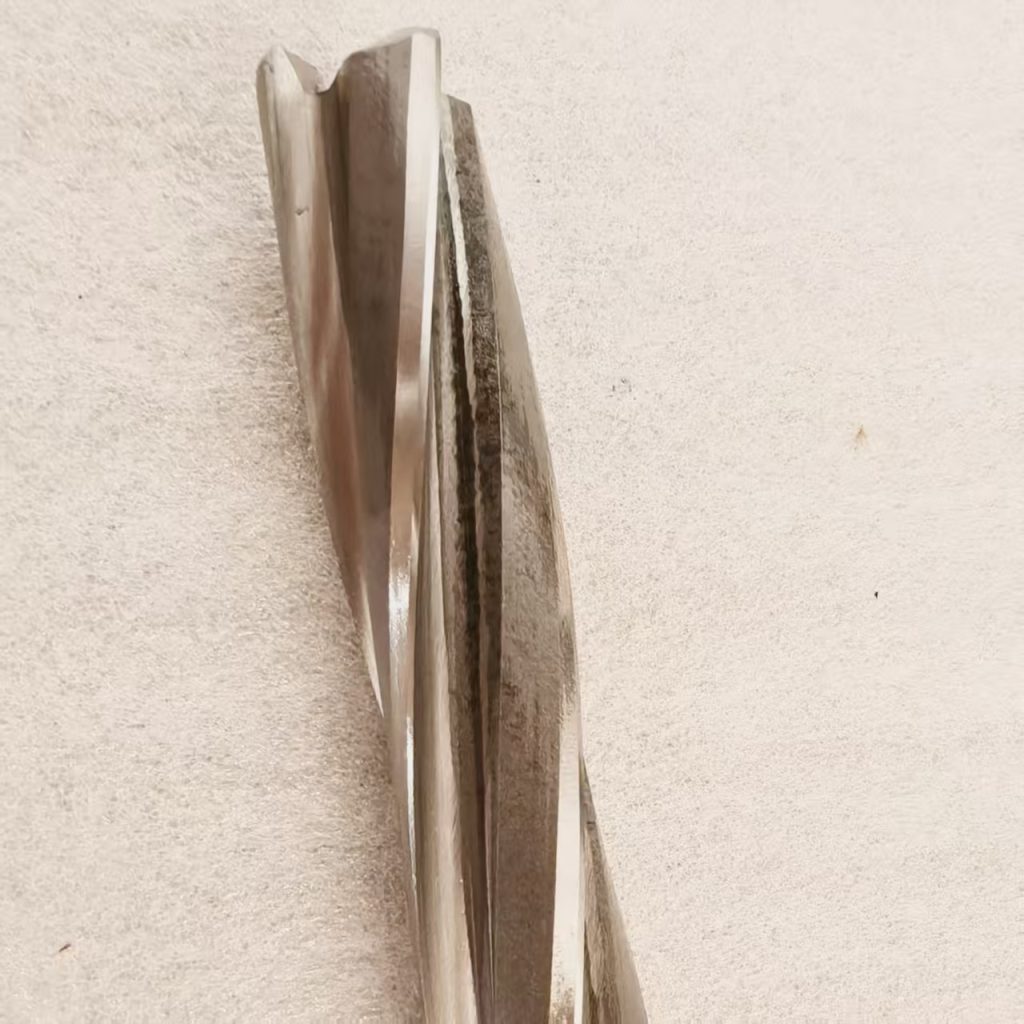
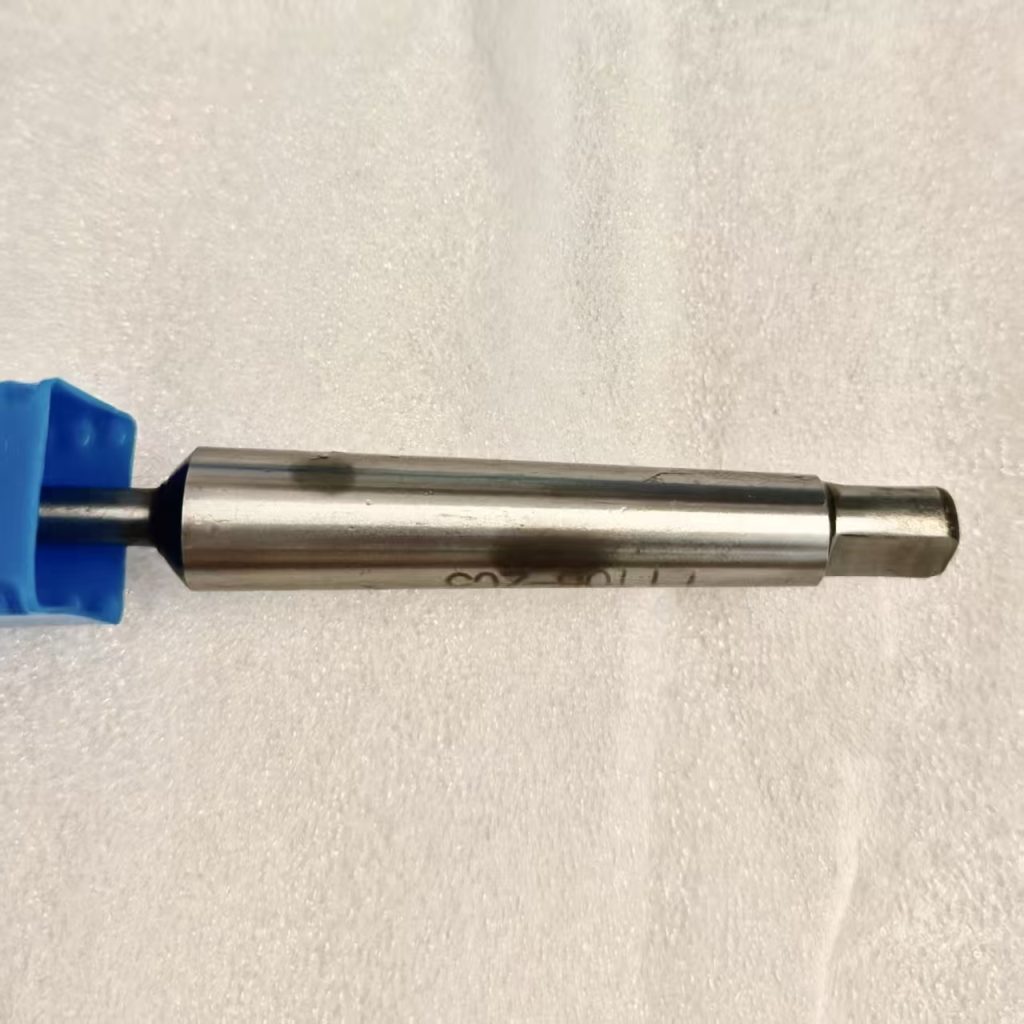
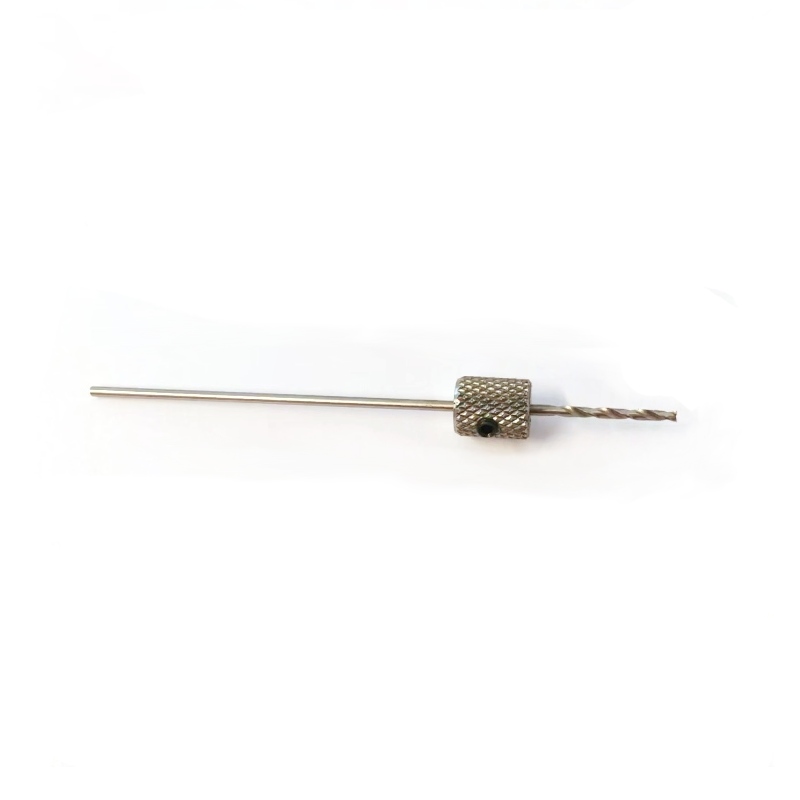
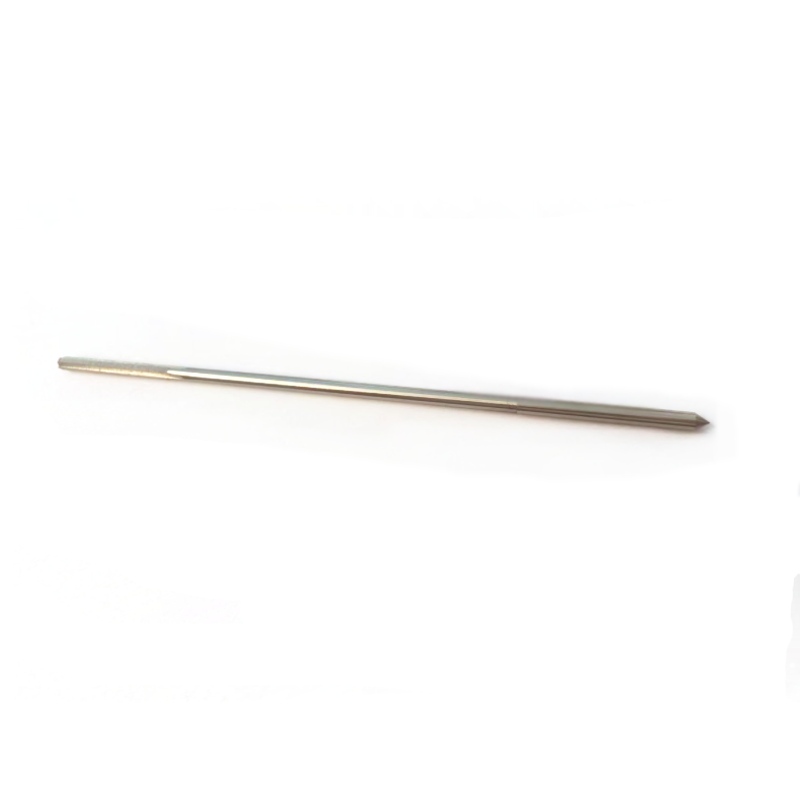
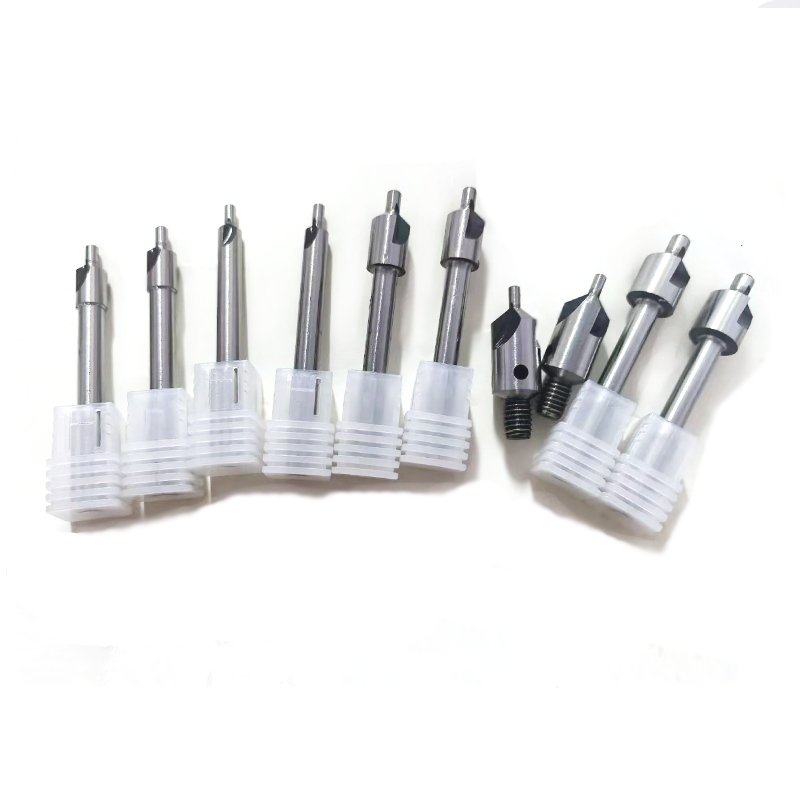
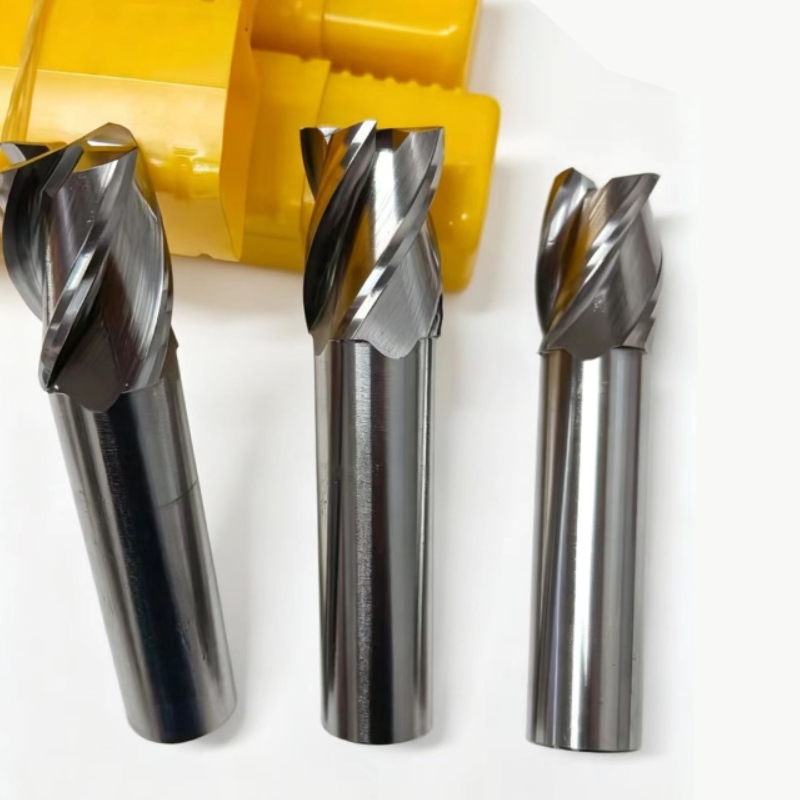
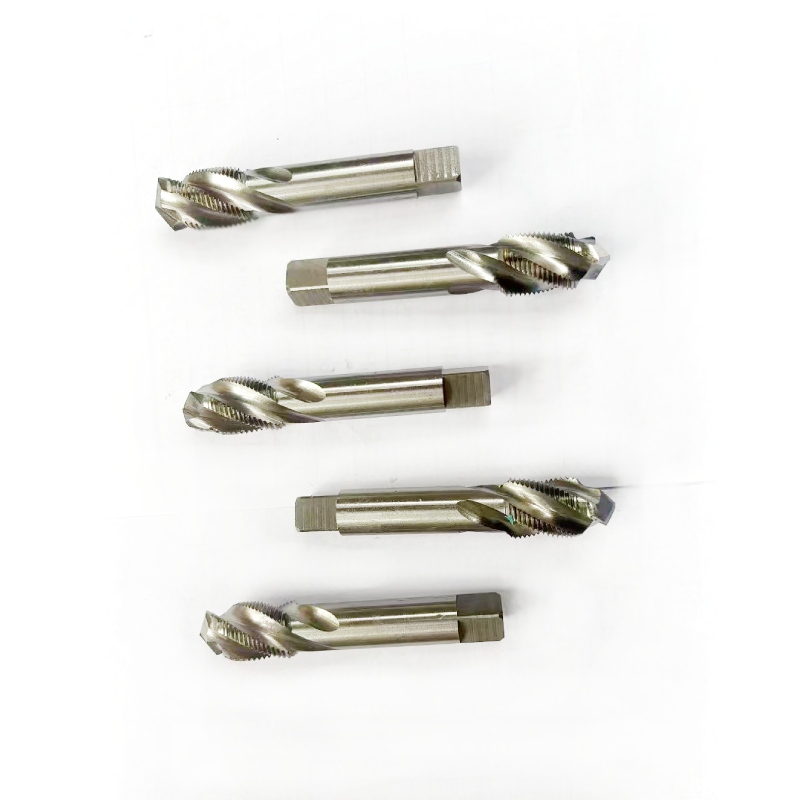
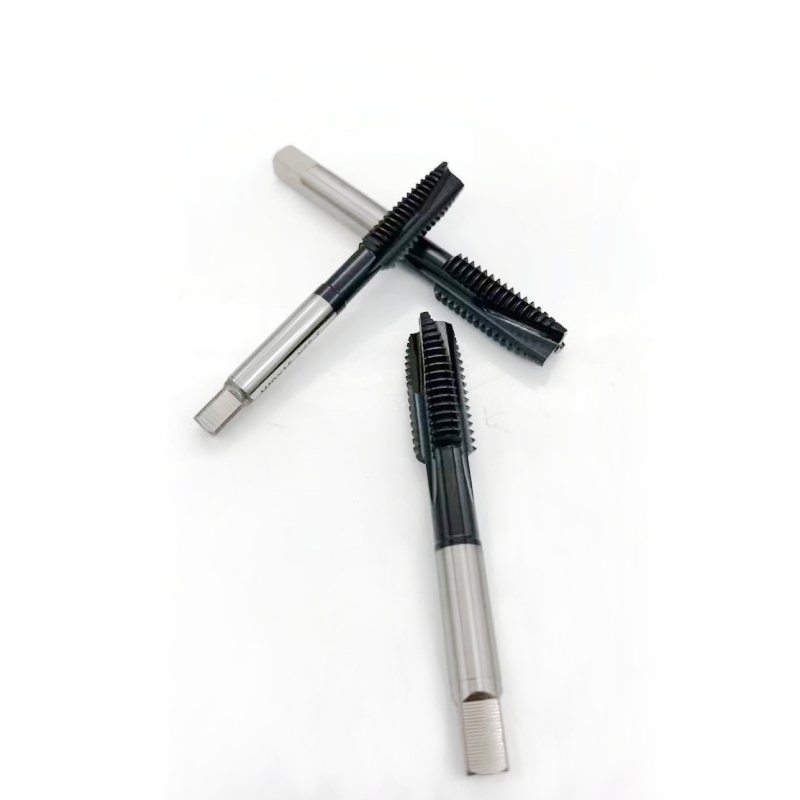
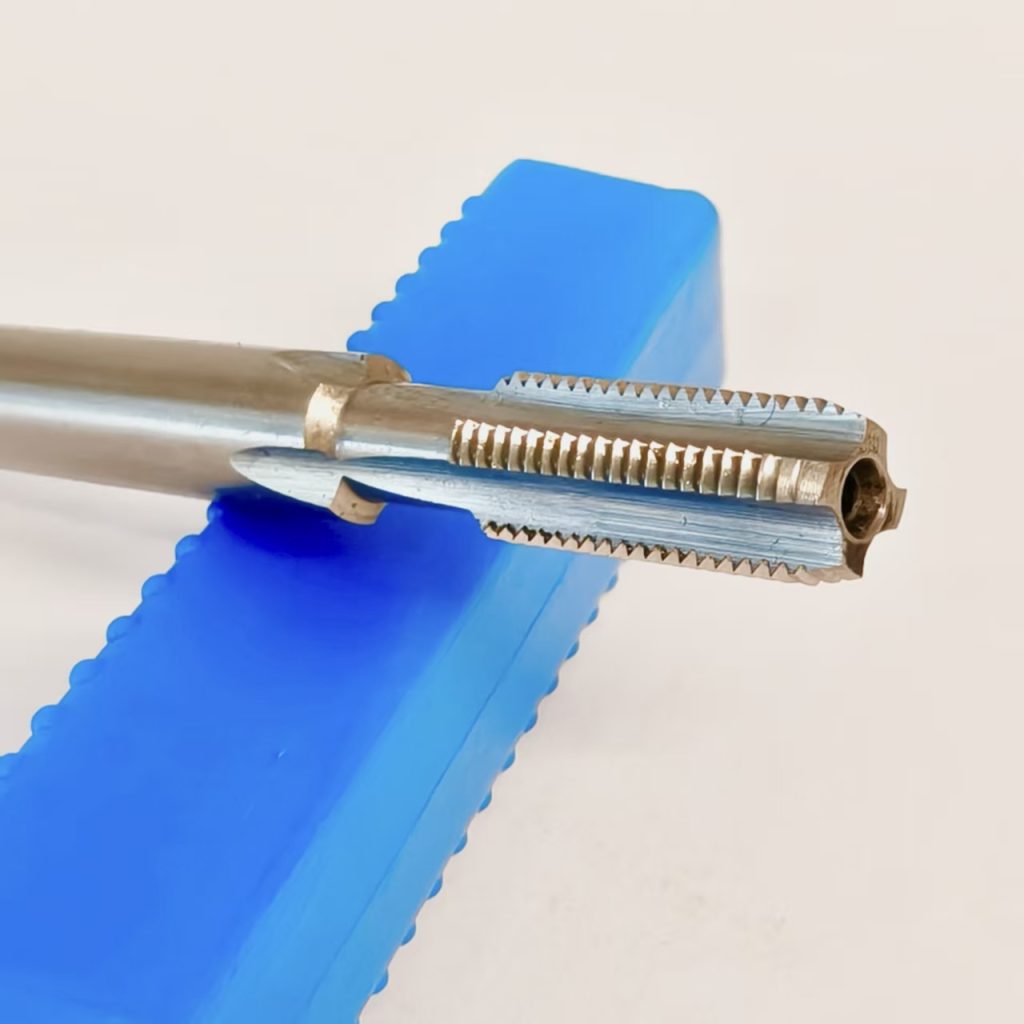
Surface defects such as rust spots, dark stains and discoloration are relatively common on solid high-speed steel (HSS) tools and welded steel tools, especially inside flutes and along long cutting edges.
Although these defects may not directly affect machining performance, they can compromise surface quality and dimensional accuracy, making them unacceptable for customers with strict quality requirements.
So, what causes these problems, and how can we prevent them?
Let’s take a closer look.
1. Rust Spots and Dark Stains Inside Flutes
① Inadequate cleaning and drying after grinding
Deep flutes are difficult to clean thoroughly. Grinding fluid may remain inside, leaving salts and other residues after evaporation. These residues can cause yellow stains, rust spots and dark discoloration.
② Residues from heat treatment
After salt-bath heat treatment, residual salts may remain trapped inside the flutes. If not properly removed, they can absorb moisture and cause corrosion, rust spots and pitting.
③ Insufficient rust protection or improper storage
Rust-preventive oil may not fully reach the inside of deep flutes. High humidity, coastal environments and condensation during sea transportation can further accelerate corrosion.
④ Direct contact with bare hands
Sweat and salts from fingerprints can remain on the surface and eventually lead to localized rust spots.
2. Surface Defects on the Outer Diameter and Cutting Edges
Common defects include scratches, grinding marks, pitting and uneven coloration.
① Grinding process issues
Incorrect grinding wheel selection or improper grinding parameters may cause grinding burns, vibration marks and uneven surface coloration. Abrasive particles or grinding debris trapped between the wheel and the workpiece can also scratch the surface.
② Heat treatment defects
Oxidation, decarburization and salt-bath corrosion during heat treatment may cause surface pitting, cavities and discoloration. Some defects cannot be completely removed by subsequent grinding.